A guest arrives at your door with a suitcase and a desire to see the local landscape. Whether they are lifelong friends or distant relatives, the impulse is often to suggest a favorite trail or a scenic park you frequent. However, a successful outing requires more than just picking a destination; it requires aligning the terrain with the specific physical rhythms of your company.
Matching the Pace to the Person
The most common mistake in hosting is assuming that a shared interest in nature implies a shared physical capability. A route that feels like a brisk morning stroll to you might feel like an endurance test to a visitor. Before you lace up your shoes, consider the specific needs of your group. Ask your guests about their preferred walking distance and the types of conditions they find comfortable. Do they prefer flat, paved paths, or are they looking for something with more natural variation?
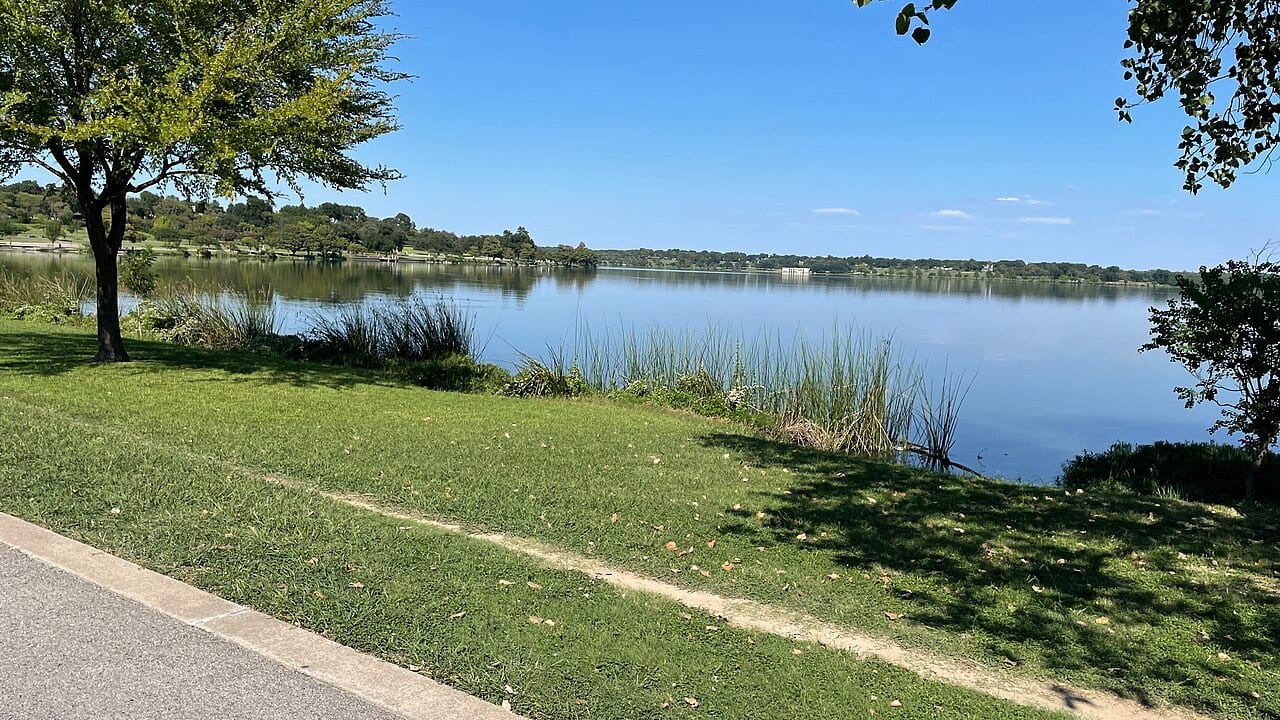
For example, if you are hosting an elderly relative who enjoys gentle movement, a wide, level path through a shaded park offers a different experience than a winding trail with sudden inclines. The tradeoff here is between the visual stimulation of a rugged path and the predictable ease of a paved one. Choosing the latter ensures the focus remains on conversation rather than the difficulty of the footing.
Verifying the Path Ahead
Local conditions can change rapidly, and a trail that was pristine last week might be under maintenance or experiencing unexpected closures today. It is worth checking the current status of your intended route before you leave the house. Look for recent updates regarding trail accessibility or any temporary changes to park access. This step prevents the frustration of arriving at a trailhead only to find the primary path blocked or the area undergoing significant construction.
Establishing an Exit Strategy
Even the best-laid plans encounter shifts in energy or environment. It is helpful to agree on a signal or a specific time when it might be appropriate to change plans. Perhaps the heat becomes too intense, or the group simply reaches a natural stopping point. By discussing these possibilities early, you remove the social pressure for a guest to pretend they are not tired or uncomfortable.
Ask your companions if they have a preferred threshold for when it is time to head back toward the car or find a place to sit. Having this understanding in place allows the outing to remain a pleasure rather than a chore. When you prioritize the comfort and preferences of your guests over the completion of a specific mileage goal, you create an environment where the walk becomes a meaningful part of their visit.