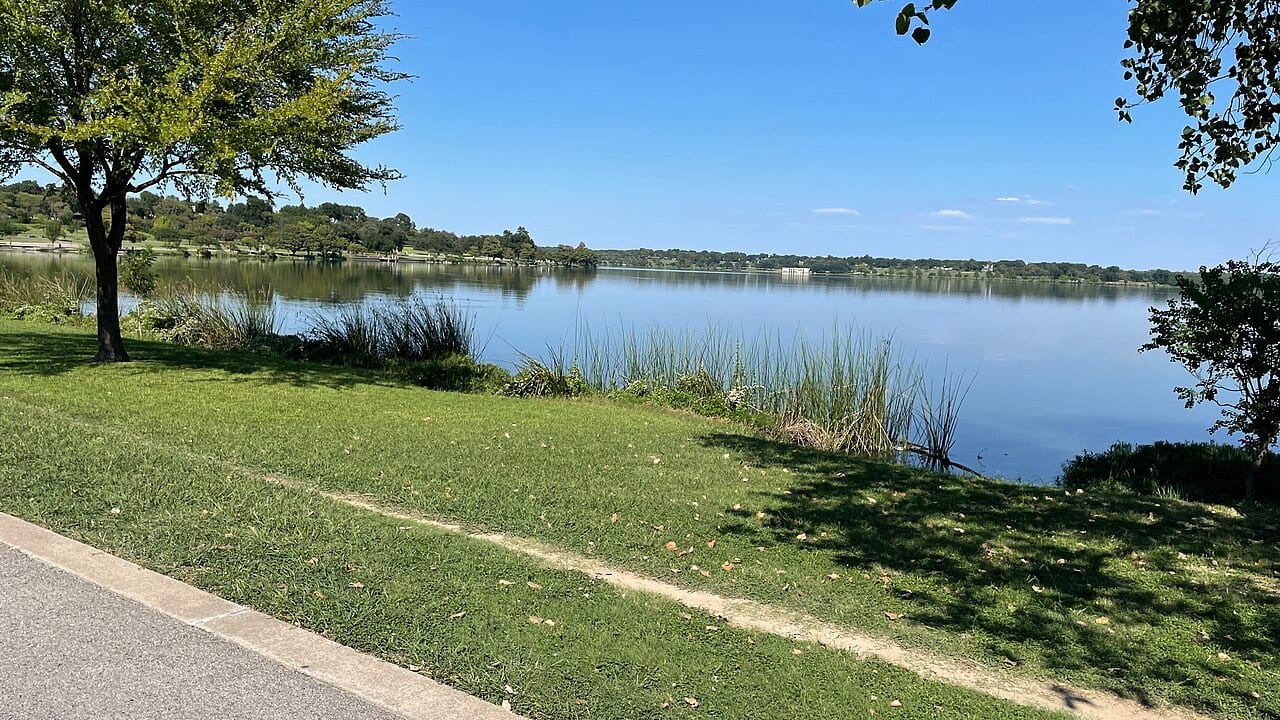
A shared calendar invite or a text thread filled with conflicting suggestions can quickly turn a weekend outing into a logistical headache. When organizing a group trip or a day trip across the metroplex, the goal is often to find a middle ground that satisfies everyone. However, the most successful itineraries are those that recognize that a group is rarely a monolith of identical interests or energy levels.
The Core and the Branch
The most effective way to structure a group plan is to establish a "core" itinerary—the specific blocks of time where everyone agrees to be together—and an "optional branch" for those who wish to diverge. This approach allows the group to maintain a sense of unity without forcing every participant into a single, rigid schedule. By defining these boundaries early, you create a framework where people can opt in or out of specific activities without feeling like they are abandoning the collective.
For example, if a group of six friends decides to spend a Saturday in the Fort Worth area, the core itinerary might include a shared lunch at 1:00 PM and a group walk through a local park at 3:00 PM. The optional branch could offer a choice for the late afternoon: some members might prefer to visit a nearby museum, while others might choose to head back to their hotels for a nap or find a quiet coffee shop. This structure acknowledges the tradeoff between social cohesion and personal autonomy.
Documenting the Decision
A common pitfall in group planning is the verbal agreement that evaporates by the time the weekend arrives. To prevent confusion, you need a decision record that remains understandable to everyone, even if they only check it an hour before an activity begins. This record should not be a dense manifesto, but a clear, glanceable summary of what was decided, when it happens, and where people are expected to be.
When you present this plan, avoid vague language. Instead of saying "we might do something in the afternoon," state "the afternoon branch begins at 2:00 PM; choose between Activity A or Activity B." This clarity allows individuals to make their own choices based on their specific stamina and interests. It also provides a single source of truth that prevents the dreaded "I thought we were doing this" conversation mid-afternoon.
Managing the Handoff
The transition from a shared activity to an optional one requires a clear communication handoff. As the group moves from a core event to a branching point, explicitly restate the upcoming options and the time for the next reunion. This ensures that those who choose to diverge know exactly when and where the group will converge again. Ask your group members which specific branches appeal to them and if any proposed times conflict with their personal needs. By focusing on these specific points of divergence, you can facilitate a weekend that feels both social and respectful of individual boundaries.