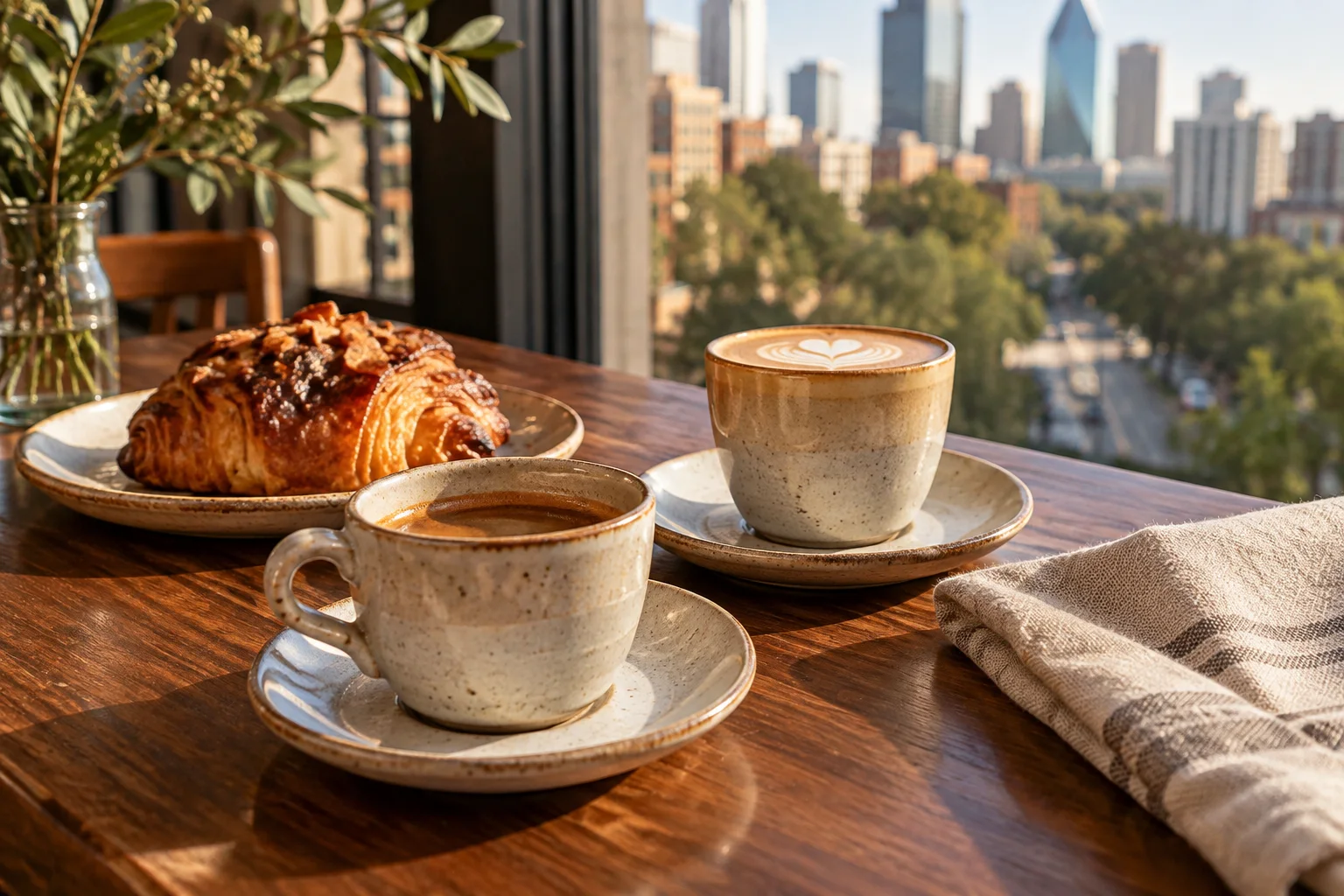
The morning ritual often begins with a single cup, yet the satisfaction derived from it can feel difficult to replicate. You might find a particular roast in a neighborhood shop in Fort Worth that tastes exactly how you want it, only to struggle when attempting to recreate that sensation at home or when ordering a different blend elsewhere. Without a way to track your sensory experiences, your preferences remain a collection of fleeting impressions rather than a reliable guide.
The Value of a Controlled Record
To move beyond saying a drink is simply "good" or "strong," you can implement a system of consistent observation. This involves more than just noting the taste; it requires keeping your preparation methods stable so that the variables you change are the only ones affecting the result. If you are testing different beans, try using the same amount of water and the same temperature each time. This ensures that if one cup tastes brighter than the last, you know the difference lies in the bean itself rather than a change in how you handled the equipment.
When you record these observations, use clear, descriptive language. Instead of relying on vague terms, note the specific sensations on your palate. Does the drink feel heavy or light? Is there a lingering sweetness, or does it leave a sharp sensation? By labeling each cup with the date, the source, and your specific notes, you build a personal library of flavor profiles that you can reference when making future purchases.
Navigating the Sensory Tradeoff
Refining your palate involves a meaningful tradeoff between complexity and consistency. Some drinkers seek out highly unique, experimental profiles that offer a wide range of shifting notes, while others prefer a predictable, singular profile that stays the same every single morning. Choosing the former requires more active engagement and a willingness to occasionally encounter a cup that does not meet your expectations. Choosing the latter offers comfort but may limit your discovery of new flavors.
For example, if you are deciding between a light, fruit-forward roast and a dark, smoky one, your record might show that while the fruit-forward option is exciting, it is difficult to enjoy when you are in a rush. The darker roast might be less "interesting" in a tasting session, but your notes could reveal it is the more reliable choice for a busy Tuesday morning.
Building Your Personal Tasting Log
As you begin this process, focus on the physical reality of the cup in front of you. Avoid trying to guess the technical origins or specific processing methods unless they are explicitly provided by the seller. Instead, focus on the immediate experience. You might ask the barista or the shop owner how a particular bean was handled to see if their description aligns with what you are actually tasting.
Ultimately, the goal is to transform a subjective habit into a functional decision-making tool. By maintaining a labeled, consistent log, you stop guessing what you might like and start knowing. This record allows you to walk into any cafe in the DFW area with the confidence that you can identify exactly what you are looking for.