The sight of a host hovering over a stove while guests sit around a silent table is a common domestic tableau. When you decide to host a dinner in your own home, the instinct is often to curate every single element, from the specific vintage of wine to the precise seasoning of the main course. However, a menu that is entirely self-contained can turn the evening into a solo performance rather than a shared experience.
The Menu Tradeoff
Choosing what to serve involves a direct tradeoff between culinary control and personal presence. A complex, multi-course meal that requires constant attention ensures a high level of precision, but it often leaves the host isolated in the kitchen. Conversely, a menu that relies on shared contributions allows for a more relaxed atmosphere, though it requires more coordination before the first guest arrives.
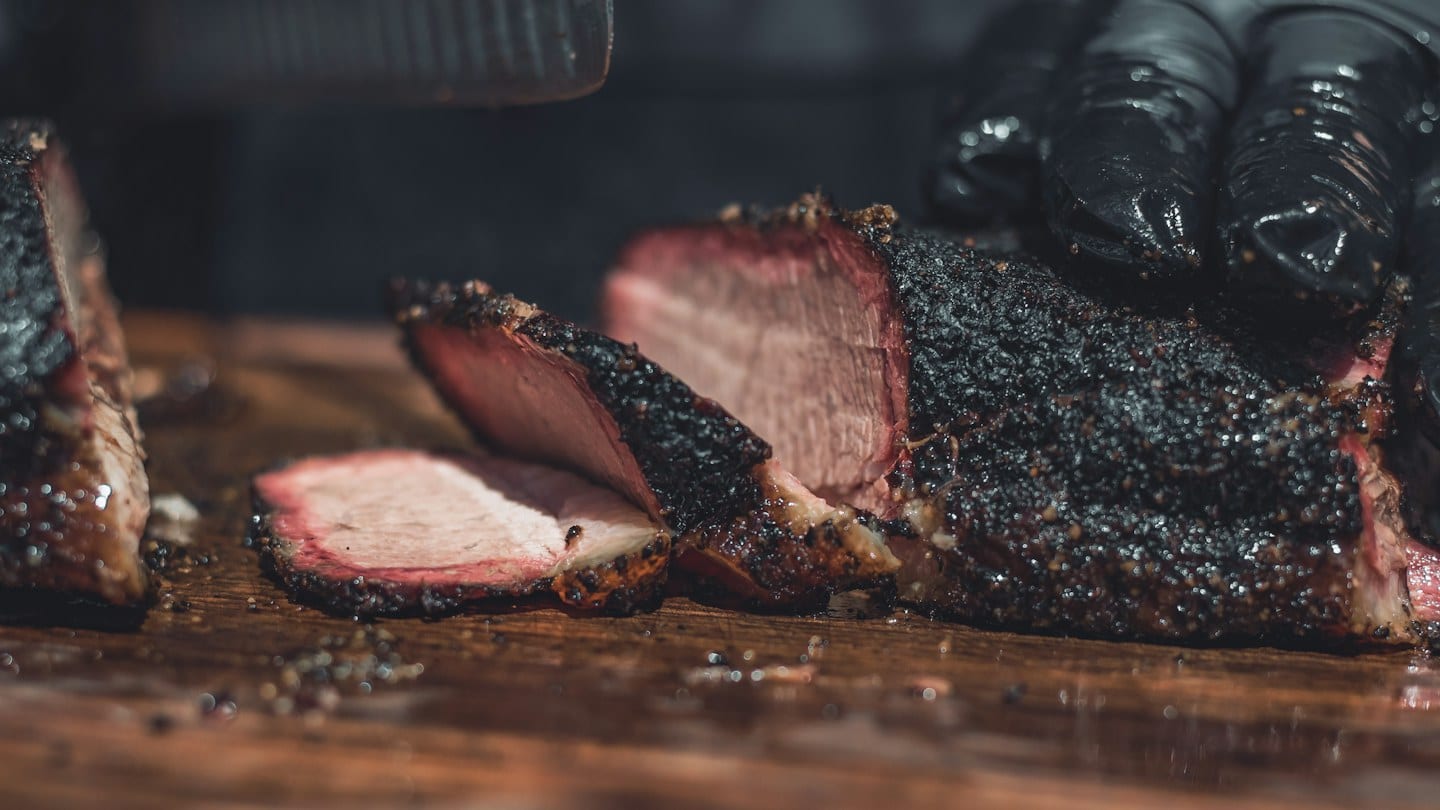
For example, if you are deciding between a heavy, multi-component braise that requires monitoring and a menu centered around a large, pre-prepared protein accompanied by sides brought by guests, you are choosing between a high-effort solo endeavor and a collaborative effort. The former offers a predictable flavor profile, while the latter offers you the freedom to sit down when the doorbell rings.
Defining Contributions
When inviting others to contribute, the lack of specificity can lead to a table filled with three different salads and no starch. To avoid this, move beyond the vague request for "a side dish" or "something sweet." Instead, present a framework of what is already decided. If you are coordinating remotely with friends or family, suggest specific categories or even specific types of items that complement your planned centerpiece.
Ask your guests what they intend to bring and how those items fit into the existing meal structure. This prevents the logistical headache of discovering a conflict in textures or flavors only once the dishes are set on the table. By establishing these boundaries early, you ensure the meal feels cohesive rather than accidental.
Separating Prep from Service
A significant part of the hosting burden is the transition from the preparation phase to the serving phase. It is possible to separate these tasks so that the person who did the heavy lifting in the kitchen is not also the person tasked with managing the flow of the evening. You might consider who will handle the pouring of drinks, who will manage the clearing of plates, and who will oversee the timing of the courses.
If you find yourself managing a large group, ask your guests if they would be willing to assist with specific service tasks once the meal begins. This shift from "host and guest" to "collaborative diners" can change the energy of the room. The goal is to reach a point where the person who prepared the meal can participate in the conversation as an equal. By deciding on the menu limitations and the division of service tasks in advance, you ensure that the evening is defined by the company you keep rather than the tasks you perform.