This is a paid partner contribution. Commercial relationships are disclosed so readers can distinguish sponsored content from editorial guides.
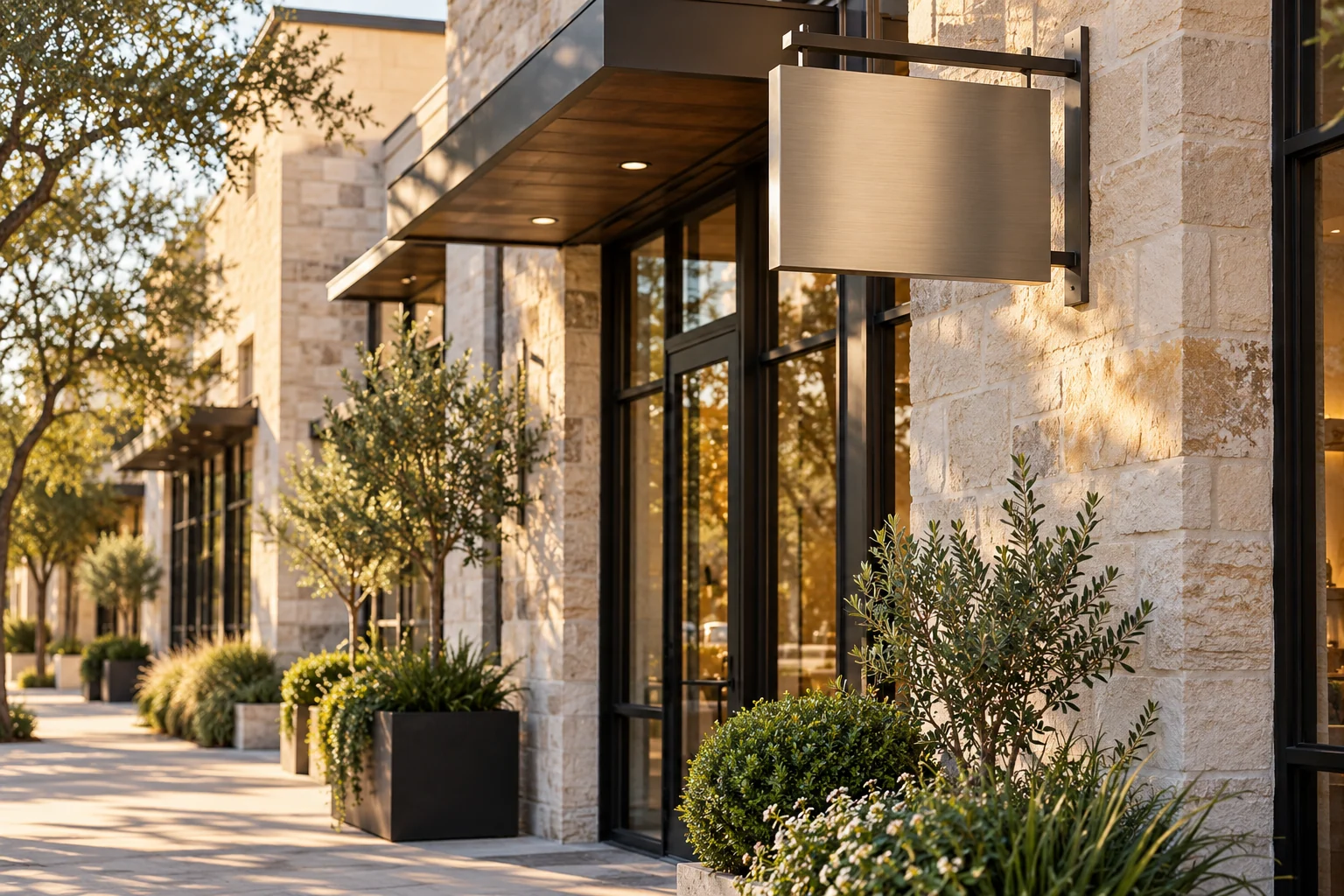
A storefront sign serves as a quiet ambassador for a business, sitting at the intersection of a brand's identity and the physical streetscape. Deciding on the right visual presence involves more than choosing a color or a font; it requires balancing aesthetic goals with the practical constraints of a specific building and its surroundings. When preparing to meet with a professional to discuss these options, the quality of the conversation often depends on the information you bring to the table.
Defining the Visual Intent
Before discussing materials or installation, consider the specific role the sign will play in your daily operations. A sign might need to grab the attention of passing motorists on a busy thoroughfare, or it might be intended to guide pedestrians walking along a sidewalk. These different roles demand different scales and lighting approaches. For example, if you are looking for ways to update your messaging frequently, you might explore comprehensive digital sign packages with content management. If you prefer a permanent, static fixture, your focus shifts toward durability and traditional materials.
Ask the provider how different materials might react to the local environment over time. You may want to know what options exist for different lighting styles and how those choices affect visibility at various times of the day. Having a clear sense of your brand's colors and preferred style allows for a more focused discussion about what can actually be achieved on your specific facade.
Evaluating the Physical Space
The architecture of your building dictates much of what is possible. A sign that looks striking on a modern glass building might look out of place on a historic brick structure. This creates a tradeoff between following a strict brand guideline and respecting the existing character of your property. To navigate this, it is helpful to have photos of your building from multiple angles and a rough idea of the dimensions of the area you wish to occupy.
One way to address the physical realities of your location is to request a site survey before you order a storefront sign. During this process, you can ask the professional which specific aspects of your building's structure will influence the mounting process. It is also useful to ask who would handle the necessary local approvals and what documentation you should keep for your own records.
Organizing the Consultation
To make the most of a professional consultation, prepare a list of your specific needs and constraints. Imagine you are opening a small boutique in a shared shopping center; you will need to know not only what looks good, but also what the property management allows. For instance, you might ask: "What are the restrictions regarding sign size or illumination in this complex?" and "How do these requirements change the materials we are discussing?"
Gathering your lease agreements, building photos, and brand assets beforehand ensures the conversation remains focused on implementation. By asking about the timeline from design to installation and how the final product will be maintained, you can move from a vague concept to a concrete plan for your business entrance.


