A single photograph can anchor a project, whether it is a family history book, a local business website, or a community newsletter. The decision often comes down to a choice between the warmth of a personal archive and the precision of a professional acquisition. Neither path offers a superior aesthetic, but they do offer very different sets of considerations regarding context and intent.
The Intimacy of the Personal Archive
Personal photographs carry a specific kind of gravity. They are often snapshots of lived moments—a blurry shot of a backyard barbecue or a candid photo of a grandparent. These images possess an inherent authenticity that a staged professional shoot may lack. They tell a story of what was actually there, rather than what was intended to be seen.
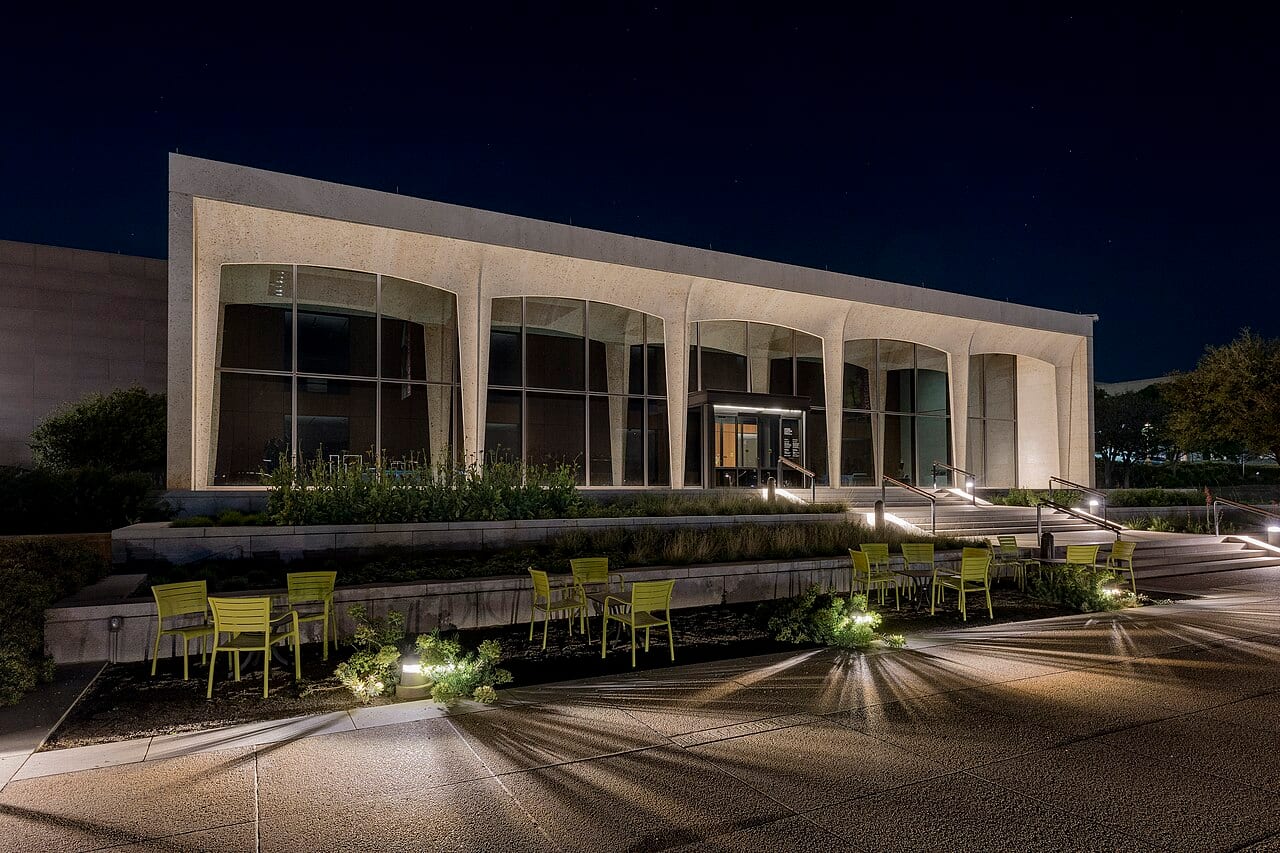
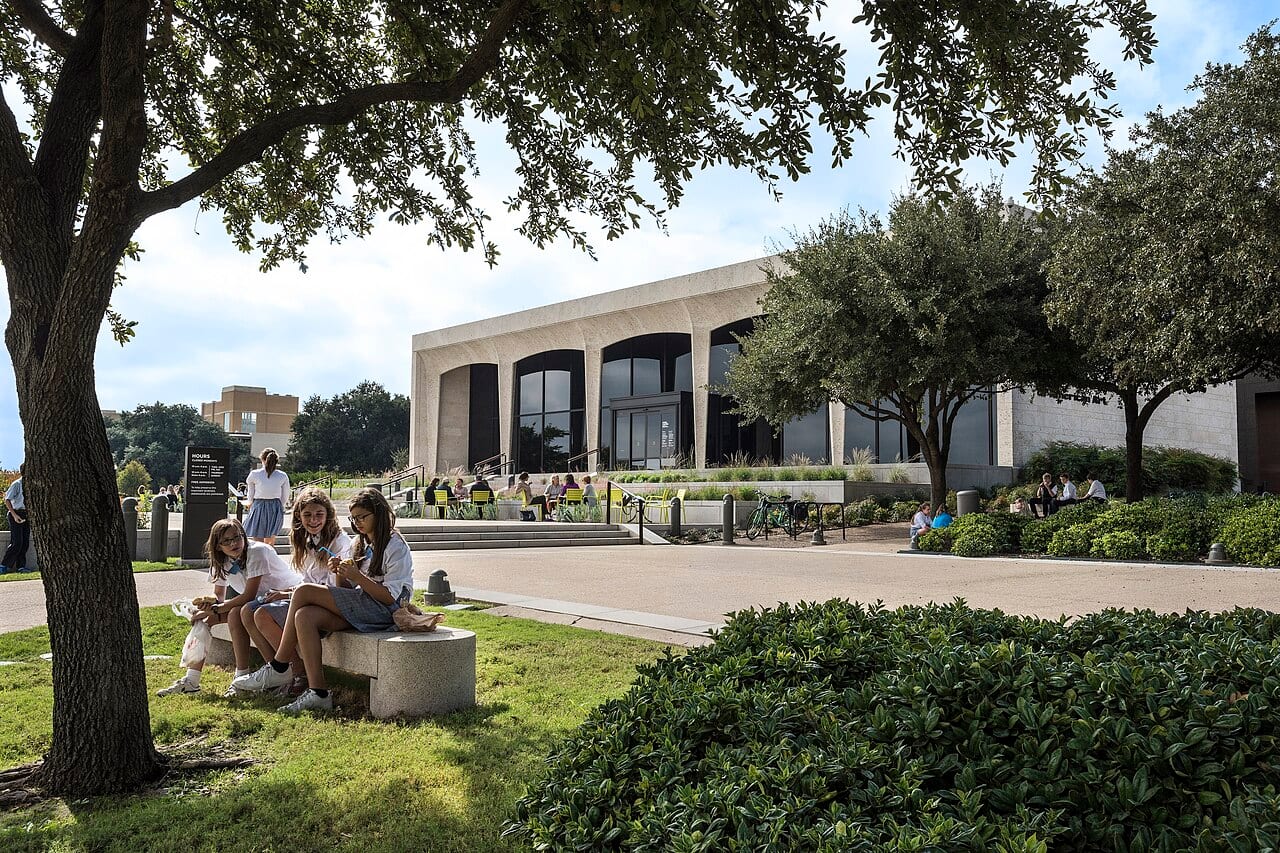
However, using these images requires a careful look at the circumstances of their creation. For example, if you are selecting a photo of a local landmark for a public presentation, a personal shot might capture the light perfectly, but it may also inadvertently include bystanders or private property in the frame. The tradeoff here is between the emotional resonance of the image and the clarity of its boundaries. You must weigh the charm of the candid moment against the potential complications of the background details.
The Structure of Professional Imagery
Professional images are often selected for their ability to convey a specific mood or a clean, unobstructed view. They are designed to serve a purpose, often removing the clutter that defines real life. While they may feel less "human" than a family album, they provide a level of control that personal photos cannot match.
Imagine you are designing a commemorative program for a neighborhood event. You could use a collection of photos sent in by residents, which would feel deeply connected to the community. Alternatively, you could commission a photographer to capture the park where the event is held. The resident photos offer a sense of shared history, while the commissioned photo offers a polished, singular vision of the space. The choice depends on whether you want your audience to feel like they are looking through a window into someone's life or looking at a curated representation of a place.
Navigating Permissions and Usage
When the choice moves from personal enjoyment to public display, the questions shift toward the rights associated with the image. A beautiful photo is only useful if you are permitted to show it to the intended audience.
Before finalizing your selection, consider the following:
- Ask the person who took the photo what their intentions were for the original shot.
- Determine if anyone captured in the image has expressed specific preferences regarding how their likeness is used.
- If using a professional image, ask the provider about the specific permissions granted for your intended medium.
The right image is the one that aligns with your goal. If your priority is storytelling through connection, look to your personal archives. If your priority is a specific, controlled visual tone, look toward professional options. Once you have identified the visual direction, confirm that you have the necessary permissions to move forward.