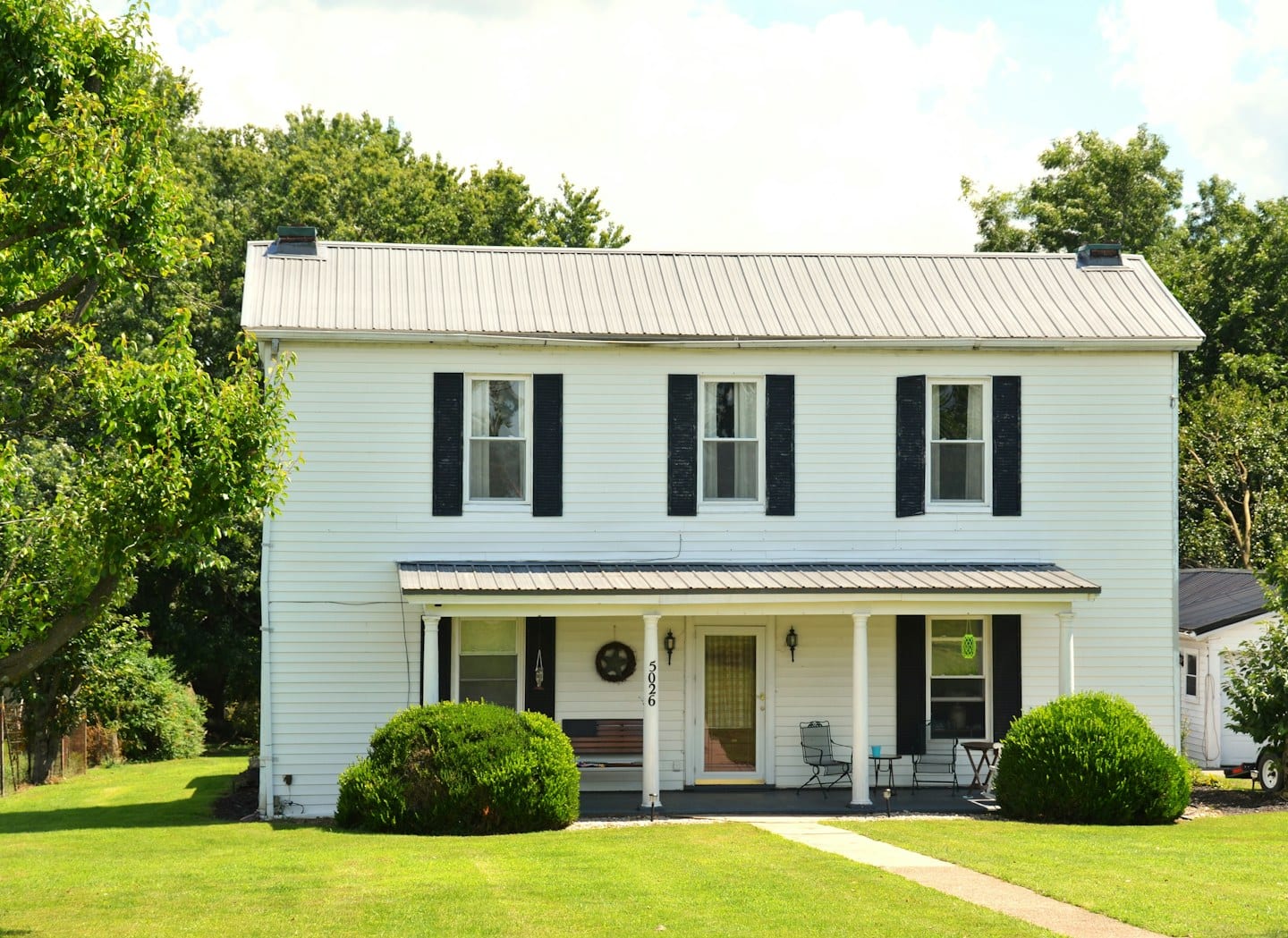
A smartphone camera is often the first tool picked up when a home improvement idea strikes. You snap a quick shot of a cracked tile or a dated backsplash, intending to use it later. However, without a system, those images quickly vanish into a digital sea of sunset pictures and family gatherings, making them nearly impossible to retrieve when you actually need to make a decision.
The Foundation of Visual Records
Effective documentation begins with how you name and categorize your files. Instead of relying on the default date-stamped filename, create a dedicated folder for each specific project. Within that folder, organize your images by room and date. This structure ensures that when you are looking for the state of the guest bathroom before a renovation, you are not scrolling through hundreds of unrelated kitchen shots.
The most important discipline is separating what you see from what you think. When taking "before" photographs, focus on capturing the objective reality of the space. A photo should show the current condition of the walls, the placement of outlets, or the exact footprint of a vanity. Avoid adding digital annotations or mental layers of "what if" during the initial capture phase. Keeping the raw observation separate from your personal interpretation prevents confusion later when you are reviewing the actual physical state of the property.
Comparing the Familiar and the New
The true value of a structured photo library emerges when you move from observation to comparison. This is particularly relevant when you find yourself weighing a familiar, safe choice against a new, unfamiliar direction.
For example, if you are considering replacing your existing hardwood floors with a new stone material, your folder should contain clear, wide-angle shots of the current layout. You might also include photos of the specific stone samples you have seen in person. By having the "before" shots organized by room, you can visually overlay the new material's texture against the existing dimensions and lighting of your home. This allows you to weigh the aesthetic shift of the unfamiliar stone against the known comfort of the hardwood without relying solely on memory.
Refining the Vision with Professionals
When the time comes to move from planning to execution, your organized folder becomes a communication tool. Rather than trying to describe a spatial problem through words alone, you can present a chronological visual history. This clarity can help a professional understand the exact starting point of your project.
When meeting with a specialist, use your organized images to guide the conversation. Ask the professional how the specific details captured in your photos—such as the location of a plumbing fixture or the height of a ceiling—will impact their proposed approach. You might also ask how the transition from your current materials to the new ones will be handled based on the visual evidence you have provided. A well-maintained digital archive ensures that your project starts with a clear, shared understanding of the task at hand.

