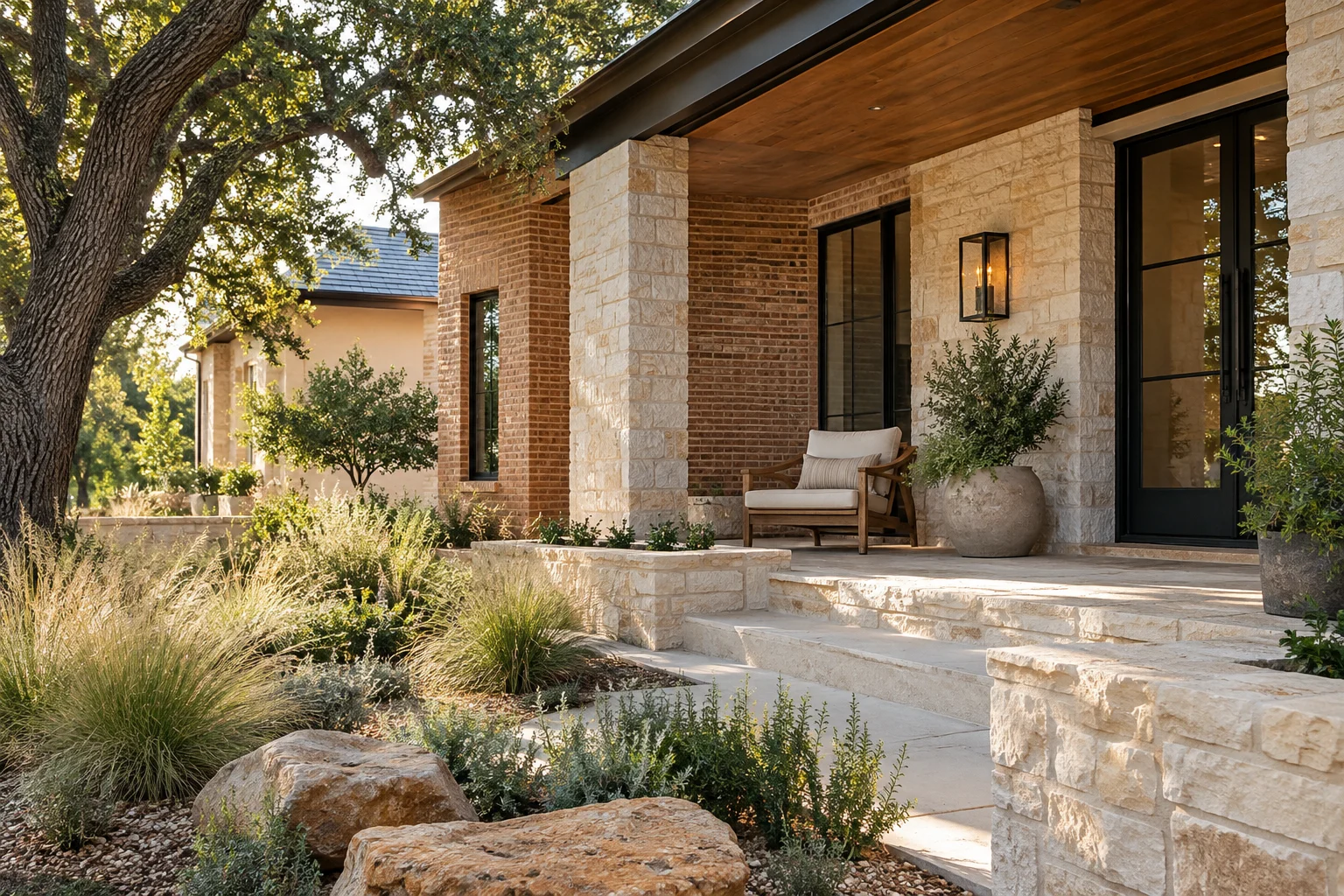
A small patio offers a concentrated slice of the outdoors, but its limited square footage requires a decisive choice. Without a clear intention, a compact space can quickly become a cluttered collection of items that serve no single purpose. To make the most of the footprint, you must first select a primary activity: reading, conversation, or dining.
The Tradeoff of Utility and Movement
Choosing a focus creates an immediate tradeoff between the number of guests you can host and the level of comfort you can achieve. A dining-centric patio might require a fixed table and chairs, which occupies a significant portion of the floor plan. Conversely, a space designed for reading might prioritize a single, deep armchair and a small side table, leaving much of the area open but limiting the space to one person.
For example, if you choose a conversation-focused layout, you might opt for two lightweight club chairs facing one another. This setup encourages interaction but may leave little room for a tray of drinks or a large potted plant. If you prioritize dining, you gain the ability to host meals, but you may find the area feels cramped if you attempt to add extra seating for guests.
Testing the Layout Remotely
If you are managing a property or planning a renovation from a distance, you cannot physically walk the perimeter to feel the flow of the space. This distance makes visual planning essential. Before committing to a purchase, use the dimensions of the patio to map out potential furniture arrangements. You can simulate the footprint by using masking tape on a floor inside your current home or by using digital measurement tools.
Observe how the furniture interacts with the boundaries of the patio. Does a dining table leave enough room to pull out a chair without hitting a wall or a railing? Does an armchair positioned for reading allow for easy movement around the perimeter? Testing these positions helps prevent the frustration of receiving large items that obstruct the very paths you need to navigate.
Questions for the Installation Process
Once the layout is decided and the pieces are selected, the logistics of placement and access become the next priority. Ask the delivery service or the contractor how they handle the movement of heavy items through narrow gates or around tight corners. If the patio is on an upper level, ask what specific access points they will use and if any temporary modifications are necessary to complete the setup.
To finalize your decision, return to your original goal. If you wanted a sanctuary for quiet mornings, ensure your chosen furniture does not turn the space into a crowded dining area. By selecting one primary use, you ensure that every square inch of your patio serves a specific, meaningful role in your daily routine.

