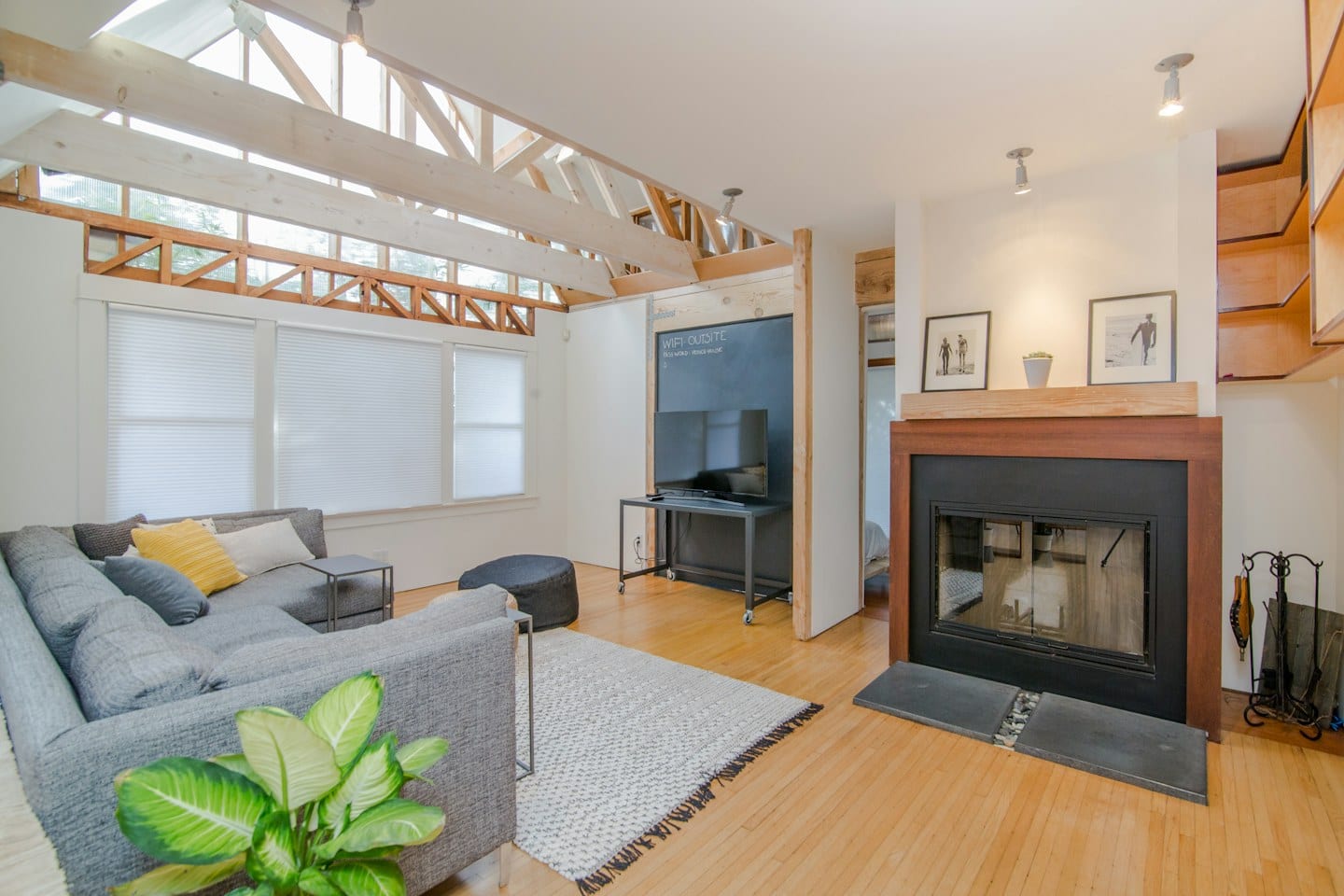
A spare bedroom rarely stays empty for long. In many Dallas–Fort Worth homes, that extra space quickly becomes the designated office, the overflow storage area, or the quiet corner for a hobby. The challenge arises when the desire to host guests clashes with the reality of how the room functions on a Tuesday afternoon. You must decide whether the room serves your daily routine or the needs of a visitor.
The Tradeoff of Permanent Changes
When preparing a room for visitors, the temptation is to make significant structural or aesthetic shifts. You might consider replacing a large, sturdy desk with a more delicate side table, or swapping out a bookshelf for a wardrobe. These changes offer a more traditional guest experience, but they come with a cost in terms of effort and disruption to your daily rhythm. The central tradeoff involves permanence. A room optimized entirely for a guest—complete with a high-end bed frame and decorative seating—may feel wasted during the weeks when no one is staying. Conversely, a room that is strictly a cluttered storage unit or a cramped workspace may feel unwelcoming and cramped to a visitor. Finding a middle ground means selecting pieces that serve two masters.
Managing Remote Decisions
For many homeowners, the planning process happens away from the house. If you are currently living elsewhere or managing a property from a distance, you may be viewing potential layouts through digital catalogs or photos sent by a property manager. This remote perspective can make it difficult to gauge the actual footprint of the room. For example, if you are looking at furniture online to furnish a room you cannot physically enter today, a sleek, modern desk might look perfect in a high-resolution image. However, once delivered, that desk might obstruct the path to the closet or make the room feel too narrow for a twin bed. When making these choices from afar, consider how much of the furniture can be easily moved or reconfigured without specialized tools or significant labor. Does the piece fit the scale of the room as seen in the photos, or does it dominate the floor plan?
Questions for the Transition
If you decide to move toward a more dedicated guest setup, consider how much of the room’s current identity you are willing to lose. Ask yourself if the current furniture can be repurposed rather than replaced. If you are working with a designer or a professional organizer to facilitate this change, ask how the proposed layout accommodates both your daily storage requirements and the comfort of a sleeping guest. If the room requires more significant alterations, such as new lighting or electrical outlets for a home office, ask a qualified professional which changes are easily reversible and which might impact the long-term utility of the space. Determine if the furniture you select can be transitioned back to its original purpose with minimal effort.
The most successful guest rooms are those that do not feel like they are waiting for something to happen. By choosing versatile pieces and maintaining a clear understanding of the room's primary role, you can ensure the space remains a functional part of your home while still offering a warm welcome when visitors arrive. Focus on pieces that can be moved or folded to maintain the room's everyday job.

